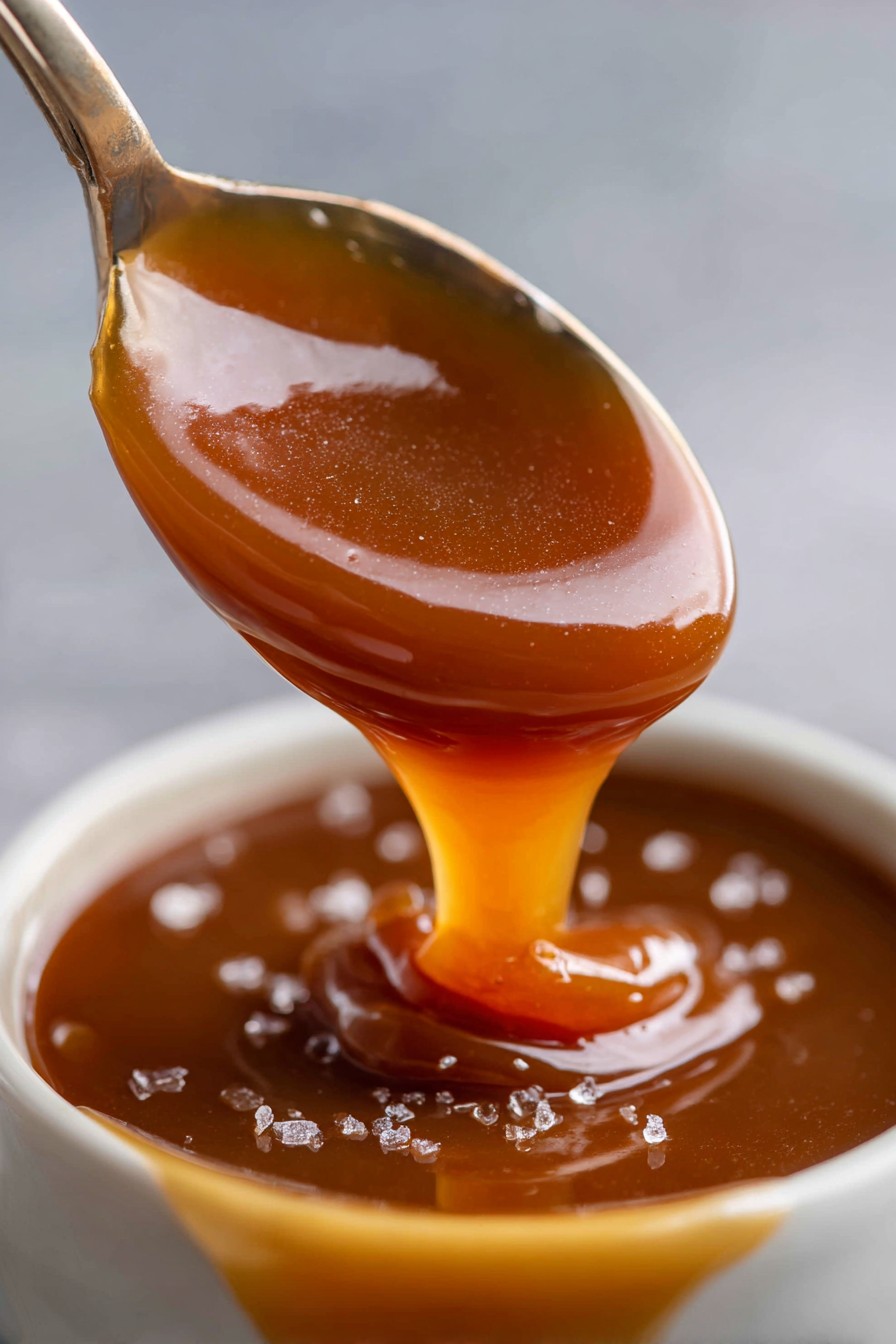
Foolproof Homemade Caramel Sauce: No Thermometer Needed
Imagine a cascade of rich, golden caramel, perfectly smooth and utterly irresistible, flowing over your favorite ice cream, drizzled onto a slice of apple pie, or swirling into your morning coffee. The dream of homemade caramel is often met with the fear of burnt sugar, stubborn crystallization, or a grainy texture that disappoints. Many recipes demand a candy thermometer and precise temperature readings, adding a layer of intimidation that keeps home cooks from attempting this sweet magic.
But what if we told you that creating a spectacular, smooth, and deeply flavored
caramel sauce recipe is not only achievable without a thermometer but can also be one of the most rewarding culinary adventures you embark on? We're here to banish those caramel nightmares with a technique so straightforward, you’ll wonder why you ever hesitated. Get ready to master a foolproof method that relies on simple visual cues and clever chemistry, yielding a luscious caramel sauce in roughly 15 minutes that will elevate any dessert.
Unlocking the Secret: The "Wet Caramel" Method
The traditional "dry caramel" approach, where sugar is heated alone until it melts and caramelizes, is notorious for its unpredictability. Sugar granules, heating unevenly, can easily burn or clump together, leading to crystallization – a common culprit behind gritty, seized caramel. It's a method that often tests the patience and nerve of even experienced chefs.
Fortunately, there’s a far more forgiving and remarkably foolproof technique: the "wet caramel" method. This process involves melting sugar with a small amount of water. Here’s why it’s a game-changer:
* **Even Heating:** The water helps dissolve the sugar evenly, distributing the heat more uniformly across the saucepan. This significantly reduces the risk of hot spots that can lead to localized burning.
* **Crystallization Prevention:** The water acts as a barrier, preventing sugar crystals from reforming. As the mixture heats, the water eventually evaporates, leaving behind perfectly caramelized sugar. This natural process ensures a consistently smooth texture, making it an excellent technique to
Master Smooth Caramel Sauce: The Wet Method to Avoid Graininess.
* **Controlled Process:** While the process still requires attention, the initial dissolution phase gives you more control and a wider window to achieve the desired caramelization, reducing the frantic rush often associated with dry caramel.
This
caramel sauce recipe embraces the wet method, making it accessible and virtually stress-free for anyone, regardless of their culinary experience.
Essential Tools and Preparation for Caramel Success
Before you begin, gathering the right equipment and preparing your ingredients is crucial. The speed at which caramelization occurs, especially in the final stages, demands that everything be ready to go.
Choosing the Right Pan
Your choice of saucepan is paramount to caramel success. Skimping on quality here can lead to disaster:
* **Heavy-Bottomed:** This is non-negotiable. A heavy-bottomed pan distributes heat evenly and prevents scorching. Thin pans create hot spots, leading to uneven cooking and burnt patches. Stainless steel is often preferred for its even heating and durability.
* **Tall-Sided:** Caramel can bubble up vigorously, especially when the cream is added. A tall-sided pan (at least 3-quart, preferably a 4-quart saucepan) prevents boil-overs and dangerous splatters of hot sugar, which can cause severe burns.
* **Cleanliness:** Start with an impeccably clean pan. Any lingering residue could act as a nucleation point for sugar crystals, potentially causing your caramel to seize.
Ingredient Preparation
While the ingredients for a great
caramel sauce recipe are simple, their state matters:
* **Heavy Cream:** Measure your heavy cream in advance and ensure it's at **room temperature**. Adding cold cream to hot sugar can cause a violent reaction, significant splattering, and can make the caramel seize into a hard, unmanageable lump.
* **Butter (Optional but Recommended):** If using, cut it into cubes and have it ready. Room temperature is also ideal here.
* **Salt:** Flaky sea salt or fine salt adds depth and balances the sweetness. Have it measured.
* **Sugar & Water:** Standard granulated sugar and water are all you need for the base.
Having all your ingredients pre-measured and within arm's reach is key to a smooth, stress-free caramel-making process. The process happens quickly, so being organized is your best defense against burnt sugar.
The Foolproof Method: Making Caramel Sauce Without a Thermometer
The beauty of this
caramel sauce recipe lies in its reliance on visual cues – specifically, the color of the caramel – rather than precise temperature readings. Here's a breakdown of the two main stages:
Stage 1: Caramelizing the Sugar
1. **Combine & Dissolve:** In your clean, heavy-bottomed, tall-sided saucepan, combine your granulated sugar and water. Stir gently just to moisten all the sugar. Avoid vigorous stirring once it begins to heat, as this can encourage crystallization.
2. **Heat & Observe:** Place the saucepan over medium-high heat. The mixture will come to a boil. At this point, resist the urge to stir! If you see sugar crystals forming on the sides of the pan, you can gently brush them down with a clean, wet pastry brush.
3. **Color Transformation:** The water will begin to evaporate, and the sugar syrup will thicken. Soon, you'll see the edges of the syrup start to turn a pale amber. This is your cue to watch closely. The color will progress from light amber to a rich, deep golden-brown (like an old penny or dark amber beer). This is the critical moment.
* **Light Amber:** Too light, and your caramel will lack depth of flavor.
* **Deep Golden-Brown:** This is where the magic happens – complex, rich, and nutty flavors develop.
* **Dark Brown/Mahogany:** Veer quickly into burnt territory. If it smells acrid, it's burnt, and you'll need to start over.
The process accelerates rapidly as it reaches the desired color, so stay focused!
Stage 2: Adding the Cream and Finishing the Sauce
Once your sugar has achieved that perfect deep golden-brown hue, it’s time to halt the cooking process and create your luscious sauce.
1. **Add Room-Temperature Cream:** Immediately and carefully, begin to pour your room-temperature heavy cream into the hot caramelized sugar in a slow, steady stream. **Be prepared: the mixture will bubble up vigorously and steam dramatically.** This is normal!
2. **Stir Consistently:** As you pour the cream, stir constantly with a heat-resistant rubber spatula or whisk. The initial shock of the cream hitting the hot sugar can cause the caramel to seize and harden into a lump. Don't panic! Continue stirring over low heat. The hardened sugar will gradually dissolve back into the cream, creating a smooth mixture. A rubber spatula is excellent for scraping the edges and bottom to ensure everything incorporates beautifully.
3. **Incorporate Butter and Salt (Optional):** Once the cream is fully incorporated and the sauce is smooth, remove it from the heat. Stir in your cubed butter (if using) until melted and fully blended, then add your salt to taste.
4. **Cooling and Thickening:** The caramel sauce will be quite thin while hot. As it cools, it will thicken significantly to that perfectly drizzly consistency you crave. Pour it into a heat-proof jar or container and allow it to cool completely before chilling.
You’ve just created a
Rich & Creamy Caramel: Make It in 15 Mins for Any Dessert with confidence and ease!
Beyond the Basics: Tips, Troubleshooting, and Uses
Even with a foolproof method, a few extra insights can ensure consistent success and expand your caramel horizons.
Common Challenges and Quick Solutions:
* **Grainy Caramel:** Most often caused by stirring too much during the initial heating of the sugar or by sugar crystals on the side of the pan falling back in. The wet method greatly reduces this, but if it happens, try gently reheating with a tablespoon or two of water or cream, stirring until smooth.
* **Burnt Caramel:** There's no coming back from burnt sugar. The bitter, acrid taste is unmistakable. If this happens, discard it and start fresh, being more attentive to the color.
* **Caramel Seizes When Cream is Added:** This is common. Keep stirring over low heat. The residual heat and gentle warming will usually melt the hardened caramel back into the sauce.
* **Caramel is Too Thin:** If your cooled caramel is thinner than desired, gently reheat it in the saucepan over low heat and simmer for a few minutes to allow more water to evaporate, thickening it.
* **Caramel is Too Thick:** If it’s too thick once cooled, gently reheat it with a tablespoon or two of heavy cream or milk until it reaches your desired consistency.
Endless Ways to Enjoy Your Homemade Caramel:
This versatile sauce is thin enough to drizzle when warm, yet thickens beautifully when chilled.
* **Dessert Topping:** Drizzle over ice cream, cheesecake, brownies, apple pie, or fruit tarts.
* **Drink Enhancer:** Swirl into coffee, lattes, or hot chocolate for a gourmet touch.
* **Breakfast Treat:** Pour over pancakes, waffles, French toast, or oatmeal.
* **Fruit Dip:** A delightful companion for apple slices, banana, or pear.
* **Sweet Snack:** Drizzle over popcorn or pretzels for a sweet and salty treat.
It's important to note that while this homemade
caramel sauce recipe is heavenly for drizzling and dipping, it’s not designed for candy applications like caramel apples. It's too thin to create the firm candy shell required for such treats.
Conclusion
Making homemade caramel sauce doesn't have to be an intimidating task reserved for professional pastry chefs. By understanding the advantages of the "wet caramel" method and trusting your eyes to guide the caramelization process, you can confidently create a rich, smooth, and utterly delicious sauce right in your own kitchen – no candy thermometer required. This foolproof
caramel sauce recipe is a testament to how simple techniques can yield extraordinary results, transforming humble ingredients into a luxurious indulgence that will impress everyone. So, gather your ingredients, take a deep breath, and prepare to embark on a sweet journey that promises to banish your caramel fears forever.